
Why Singapore Is the Best Fulfillment Hub for ASEAN
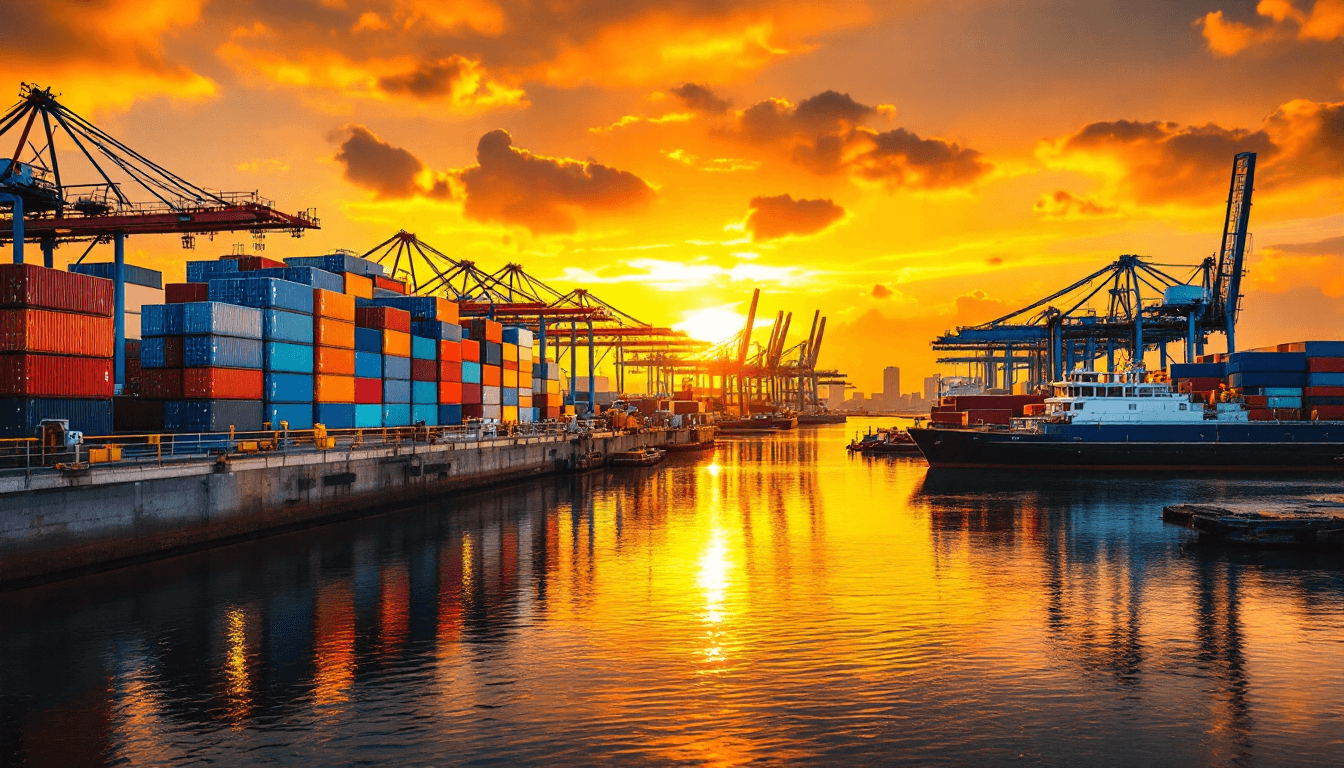
As of 2026, Singapore is the most efficient base for reaching Southeast Asian markets. Its port handles over 37 million TEUs annually and offers direct shipping connections to every major ASEAN economy. Products packed and shipped from Singapore reach Malaysia in 1 to 2 days, Indonesia in 2 to 5 days and Thailand in 3 to 4 days by sea.
Beyond logistics infrastructure, Singapore offers political stability, transparent customs processes and strong intellectual property protections. These factors matter when you're routing inventory worth hundreds of thousands of dollars through a regional hub.
CleverPak operates a network of facilities in Singapore that serve as the regional fulfillment backbone for brands entering or scaling across Southeast Asia. Instead of setting up separate operations in each country, customers centralize packing, labeling and dispatch in Singapore and ship finished goods directly to local distributors and retailers across the region.
ASEAN Markets Overview
The ASEAN region represents over 680 million consumers across 10 countries, with a combined GDP exceeding USD $3.6 trillion. But treating it as a single market is a mistake. Each country has distinct regulatory requirements, consumer preferences and logistics characteristics.
Malaysia is Singapore's closest trading partner, with land and sea connections that enable 1 to 2 day delivery. Halal certification is critical for food, cosmetics and personal care products entering the Malaysian market. Labeling must include Bahasa Malaysia translations for regulated product categories.
Indonesia is the largest ASEAN market by population (280 million+) but also the most logistically complex. The archipelago's 17,000 islands create last-mile delivery challenges. BPOM (the Indonesian FDA equivalent) regulates product registration, labeling and import requirements for food, cosmetics and health products.
Thailand has a rapidly growing e-commerce market and relatively straightforward import procedures for consumer goods. Thai FDA oversees food and cosmetic product regulations. Labeling must include Thai-language translations.
Philippines offers strong growth potential with a young, digitally connected population. FDA Philippines regulates food, cosmetics and health products with specific labeling and registration requirements.
Vietnam is one of the fastest-growing consumer markets in the region. Import procedures are becoming more streamlined, but product registration and labeling requirements through the Ministry of Health remain detailed and market-specific.
Cross-Border Compliance
Selling across ASEAN borders means navigating a different regulatory framework for every market. Getting compliance wrong doesn't just delay shipments. It can result in product seizures, fines and permanent import bans.
Labeling is the most common compliance failure. Each ASEAN country has specific requirements for language, ingredient disclosure, nutritional information and regulatory markings. A product labeled correctly for Singapore may be non-compliant in Malaysia, Indonesia or Thailand. CleverPak manages multi-market label configurations from our Singapore facilities, producing market-specific labels and applying them during the packing process.
Product registration requirements vary significantly. In Indonesia, food and cosmetic products require BPOM registration before import. Thailand requires Thai FDA notification for cosmetics. Malaysia requires product notification through NPRA for health supplements. Your co-packing partner should understand these requirements and flag potential issues before production begins.
Halal certification is a practical necessity for food, beverage, cosmetics and personal care products entering Malaysia, Indonesia and Brunei. Even if not legally required in every case, halal certification significantly expands your addressable market. CleverPak's Singapore facilities offer halal-ready capabilities to support customers targeting these markets.
The ASEAN Trade in Goods Agreement (ATIGA) provides preferential tariff rates for qualifying products. Goods manufactured or substantially transformed in an ASEAN member state can benefit from reduced or zero tariffs when shipped to other ASEAN countries. Understanding these provisions can meaningfully reduce your landed costs across the region.
Logistics and Shipping
Singapore's position at the intersection of major East-West shipping routes gives it a logistics advantage that no other ASEAN country can match. The Port of Singapore is the world's second-busiest container port, with connections to over 600 ports in 120 countries.
Transit times from Singapore to key ASEAN markets:
- Malaysia: 1 to 2 days (sea) or same-day (road to Peninsular Malaysia)
- Indonesia (Jakarta): 2 to 3 days by sea
- Thailand (Bangkok): 3 to 4 days by sea
- Philippines (Manila): 3 to 5 days by sea
- Vietnam (Ho Chi Minh City): 2 to 4 days by sea
For time-sensitive shipments, air freight from Changi Airport reaches any ASEAN capital within 24 hours. The cost premium for air freight (typically 4x to 8x sea freight rates) is justified for high-value, low-weight products or urgent replenishment orders.
Consolidation is where the real savings happen. Instead of shipping small quantities from your home market to each ASEAN destination, you ship bulk product to Singapore once. CleverPak packs and labels for each destination market, then dispatches consolidated shipments to local distributors. This approach typically reduces per-unit shipping costs by 30% to 50% compared to shipping finished goods from Australia or Europe to each market individually.
CleverPak Connect provides end-to-end visibility into the fulfillment process, from materials receipt through production, quality checks and dispatch tracking for every destination.
Cost Considerations
Setting up ASEAN fulfillment from Singapore involves a different cost structure than domestic operations. Understanding these costs upfront prevents surprises and helps you price your products accurately for regional markets.
Co-packing rates in Singapore (SGD per unit):
- Simple packing (labeling, carton packing): SGD $0.15 to $0.60
- Kitting and assembly (multi-component kits, promotional packs): SGD $0.80 to $3.00
- Complex builds (gift sets, display units): SGD $3.00 to $12.00
Freight costs vary significantly by destination and mode. Sea freight from Singapore to Malaysian ports runs approximately SGD $300 to $600 per CBM. Shipments to Indonesia, Thailand and the Philippines range from SGD $500 to $1,200 per CBM depending on the specific port and shipping line.
Customs duties and taxes are the most variable cost element. ATIGA preferential rates can reduce or eliminate duties for qualifying products, but standard rates apply to non-qualifying goods. GST/VAT rates range from 7% in Singapore and Thailand to 11% in Indonesia and 12% in the Philippines.
The total landed cost comparison almost always favors the Singapore hub model over shipping directly from a single origin. A brand shipping gift sets from Melbourne to three ASEAN markets typically spends 40% to 60% more on logistics than one centralizing packing in Singapore and dispatching regionally. The savings come from reduced international freight, consolidated local shipping and lower per-unit packing costs at scale.
Frequently Asked Questions
Do I need a local entity in each ASEAN country to sell there?
Requirements vary by country and product category. In some markets, you can sell through a local distributor or importer of record without establishing your own entity. For regulated products (food, cosmetics, health supplements), a local partner is typically needed for product registration. CleverPak can connect you with distribution partners across the region.
How does CleverPak handle different labeling requirements for each ASEAN market?
We manage multi-market label configurations from our Singapore facilities. You provide the base product, and we produce and apply market-specific labels during the packing process. This includes language translations, regulatory markings, ingredient disclosures and barcode formats for each destination country.
Is it cheaper to pack in a lower-cost ASEAN country instead of Singapore?
Labor rates are lower in countries like Vietnam and Indonesia, but the total cost of operation often favors Singapore. Infrastructure quality, customs efficiency, regulatory transparency and proximity to major shipping routes mean products move faster and with fewer disruptions. For most brands, the reliability premium of Singapore-based operations pays for itself in reduced delays and compliance failures.
How quickly can I start fulfilling across ASEAN from Singapore?
Most customers are operational within 2 to 4 weeks of engagement. That includes facility onboarding, label artwork finalization, compliance review and a pilot production run. For straightforward products with existing label artwork, we can begin production within 5 to 7 business days of materials arriving.
What is ATIGA and how does it reduce costs for ASEAN fulfillment?
The ASEAN Trade in Goods Agreement (ATIGA) provides preferential tariff rates — often reduced to zero — for goods manufactured or substantially transformed in an ASEAN member state when shipped to other ASEAN countries. Products processed in Singapore can qualify for ATIGA rates when exported to Malaysia, Indonesia, Thailand and other ASEAN markets, meaningfully reducing landed costs. To claim ATIGA rates, your products need to meet the Rules of Origin criteria (typically 40% ASEAN content or a substantial transformation test) and shipments must be supported by an ATIGA Certificate of Origin (Form D).