
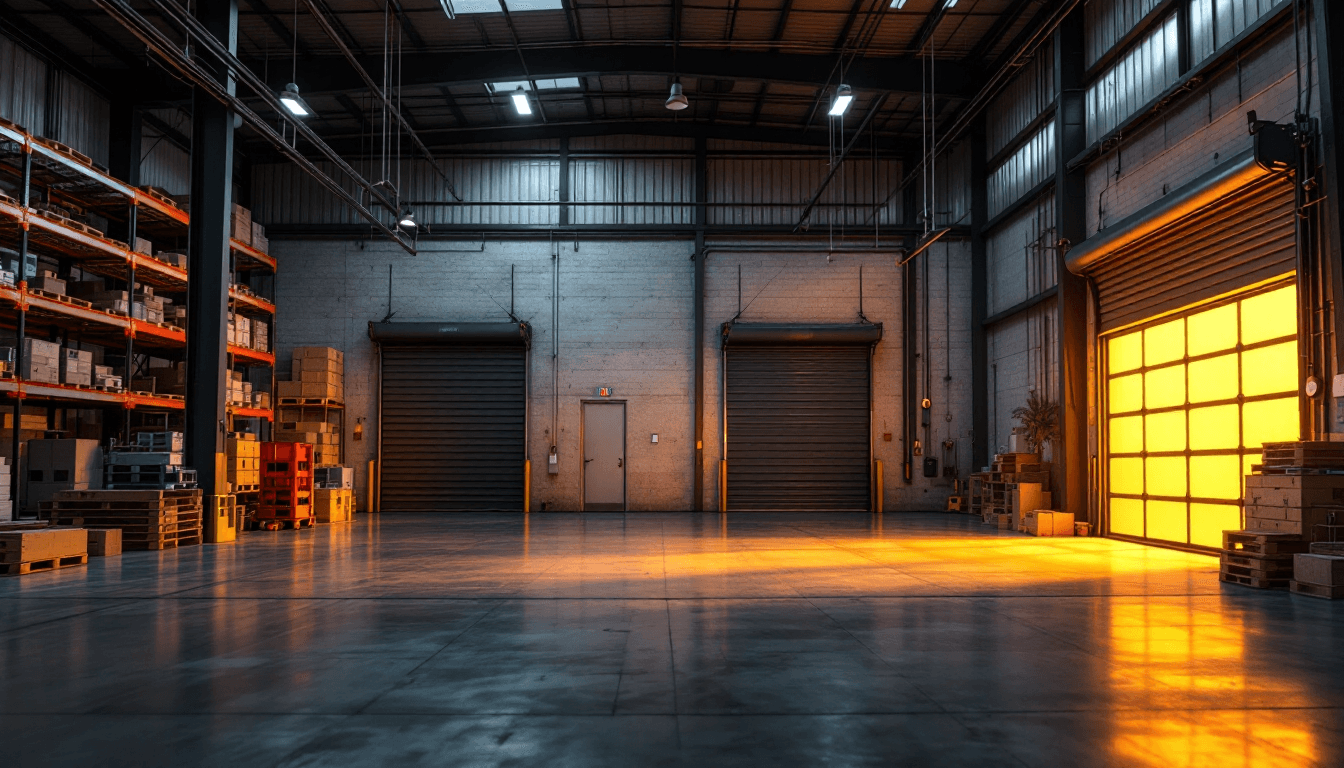
Co-Packing vs In-House: Which Is Right for Your Business?
The decision between outsourcing your packing operations and keeping them in-house comes down to cost structure, volume predictability, and strategic priorities. This guide breaks down the real costs of both models — not just the obvious line items, but the hidden expenses that often tip the balance.
After 35 years of running contract packing operations, we've seen businesses of every size make this decision. The right answer isn't always outsourcing — but for most businesses with variable volumes, seasonal peaks, or multiple product lines, co-packing delivers better unit economics and significantly lower risk.
The True Cost of In-House Packing
Running your own packing operation involves costs that extend well beyond labor and rent:
| Cost Category | Typical Annual Cost (AU) | Notes |
|---|---|---|
| Warehouse lease (500m²) | $75,000–$150,000 | Varies by city; locked into 3–5 year terms |
| Packing staff (5 FTE) | $250,000–$325,000 | Including super, workers' comp, leave provisions |
| Supervisor / team lead | $70,000–$90,000 | Essential for quality and productivity management |
| Equipment & consumables | $15,000–$40,000 | Tables, scales, tape machines, PPE, ongoing supplies |
| Insurance | $10,000–$20,000 | Public liability, contents, workers' comp top-up |
| Utilities & maintenance | $12,000–$25,000 | Power, water, cleaning, repairs |
| Recruitment & training | $10,000–$20,000 | Ongoing churn management |
| IT & WMS software | $5,000–$15,000 | Warehouse management system, barcode scanners |
| Total estimate | $447,000–$685,000 | Before any volume is packed |
The Cost of Contract Packing
Co-packing converts these fixed costs into a variable, per-unit cost. You pay for what you use:
- Unit rates: Typically $0.10–$5.00 per unit depending on complexity
- No facility costs: The co-packer provides the space, equipment, and staff
- No recruitment: Workers are already trained and available
- No minimum commitments: Most co-packers (including CleverPak) don't require long-term contracts
For a business packing 500,000 units per year at an average rate of $0.50/unit, the annual co-packing cost would be approximately $250,000 — roughly half the cost of the in-house equivalent, with zero capital risk.
Hidden Costs Most Businesses Miss
The biggest mistakes in this decision come from overlooking costs that don't appear on the obvious list:
- Idle capacity — in-house operations are sized for peaks, meaning you're paying for empty space and underutilised staff during off-peak periods
- Ramp-up time — hiring and training temporary staff for seasonal peaks takes 2–4 weeks and costs $3,000–$5,000+ per worker
- Quality failures — without dedicated QC processes, packing errors can lead to retailer chargebacks ($500–$5,000 per incident)
- Opportunity cost — management time spent on packing operations instead of sales, product development, or growth
- Compliance risk — maintaining certifications (HACCP, ISO, TGA) requires ongoing investment in audits, training, and documentation
When In-House Packing Makes Sense
In-house packing is the better choice when:
- You have consistent, high-volume production (1M+ units/year of the same product)
- Your product requires proprietary equipment that co-packers don't have
- Intellectual property sensitivity makes third-party involvement a risk
- You already own a facility with spare capacity
- Speed of iteration is critical and you need minute-by-minute control over the line
When Co-Packing Wins
Contract packing is typically the better choice when:
- Volumes fluctuate by more than 30% between periods
- You have seasonal peaks (e.g. Christmas, promotional campaigns)
- You're launching new products and need packaging flexibility
- You need multi-market packaging (different labels, formats, or compliance per region)
- You want to avoid fixed overhead and keep costs variable
- You need to scale quickly — a co-packer can mobilize in days, not months
Frequently Asked Questions
Is co-packing cheaper than doing it yourself?
For most businesses with variable volumes, yes. Co-packing eliminates fixed costs (rent, equipment, permanent staff) and converts them to variable per-unit costs. The breakeven point where in-house becomes cheaper is typically above 1 million consistent units per year.
Can I switch from in-house to co-packing gradually?
Absolutely. Many CleverPak clients start by outsourcing overflow or seasonal peaks while maintaining their core operation in-house. Over time, some transition entirely as they see the cost and flexibility benefits.
What about quality control when outsourcing?
Reputable co-packers have formal QC processes, often with better consistency than in-house operations. At CleverPak, every project includes defined quality checkpoints managed through our platform, with photographic verification and real-time reporting.
At what volume does it make sense to keep packing in-house?
For most product types, in-house packing becomes cost-competitive above approximately 1 million consistent units per year of the same specification. Below that threshold, co-packing typically delivers lower total cost once you account for facility lease, permanent staff, equipment, insurance and idle capacity during off-peak periods. If your volume fluctuates by more than 30% between peak and off-peak, co-packing usually wins even at higher annual volumes because fixed overhead can't be dialled down when demand drops.
How long does it take to transition from in-house packing to a co-packer?
A full transition typically takes 4 to 12 weeks. The first 2 to 4 weeks cover co-packer selection, quoting and specification documentation. Setup and trial runs add another 1 to 3 weeks. Many businesses run in-house and co-packing in parallel during the transition to ensure continuity. At CleverPak, we manage onboarding as part of the engagement and can begin pilot production within 5 to 10 business days of a confirmed brief.